Usono Wearable Ultrasound
A digital system for dynamic ultra sounding to aid in athletes’ injury recovery.
Tools & Methods
Figma, Miro, Canva, Gamma AI, NotebookLM
Duration
16 months
My Role
UX Designer, Team of 8

Project Overview
What if ultrasound did not require patients to stay still?
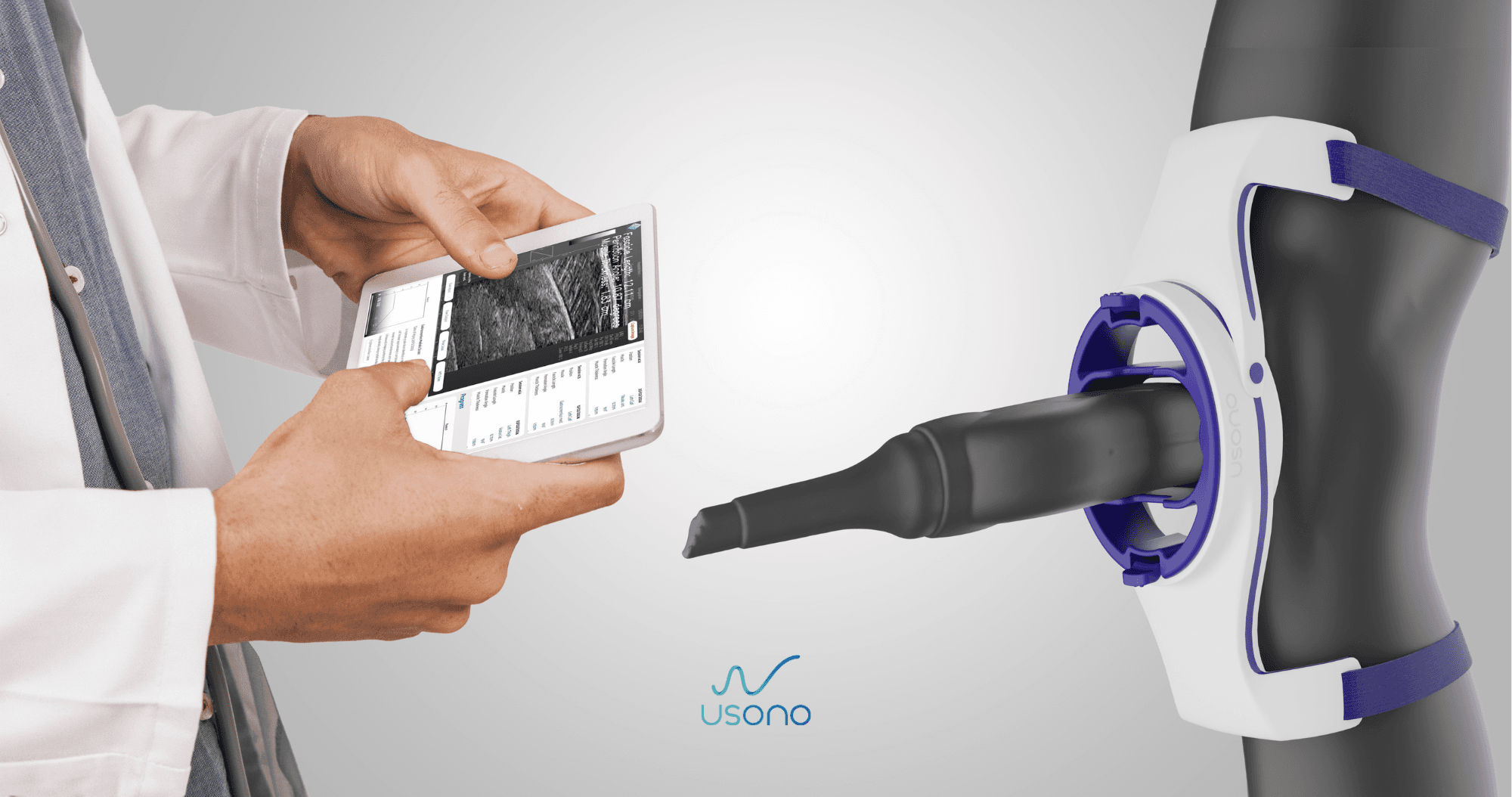
In collaboration with the MedTech company Usono, our multidisciplinary team set out to increase efficiency and effectiveness in a wearable, real-time diagnostic tool to help diagnose and monitor athlete’s injury. We combined hardware innovation, AI-driven software and business strategy to develop a system that enables dynamic imaging during movement, bringing ultrasound closer to everyday clinical use.
Problem Space
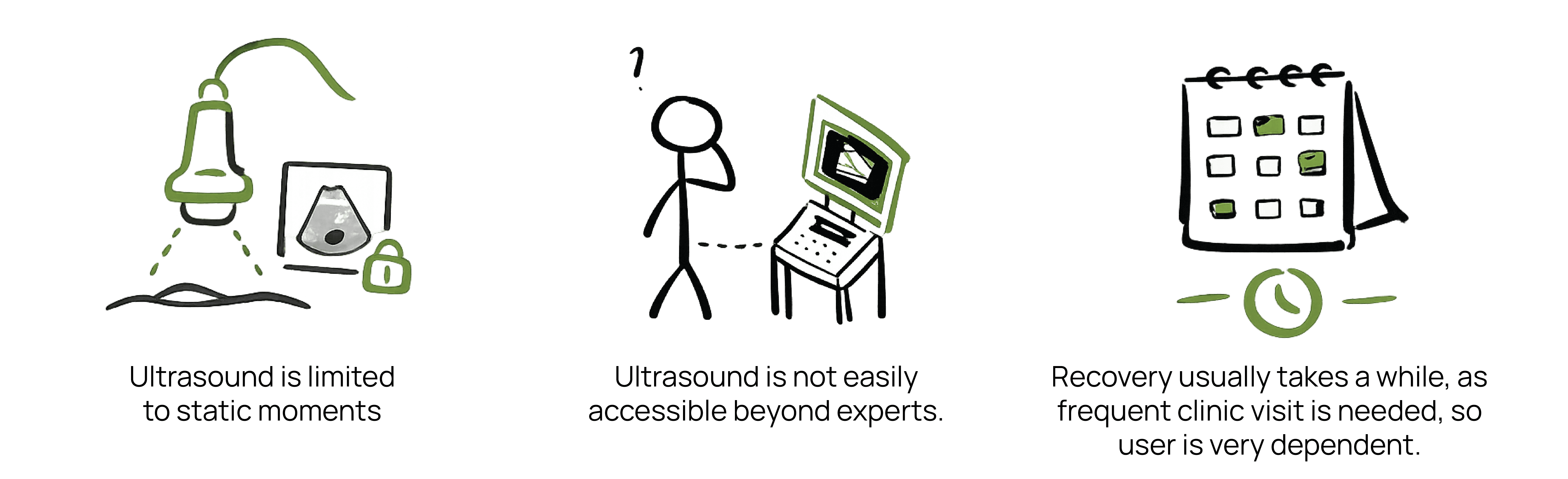
Framing the opportunity
How might we design wearable ultrasound system that enables consistent, real-time imaging dynamically and help translate complex data into actionable insights?
Solution
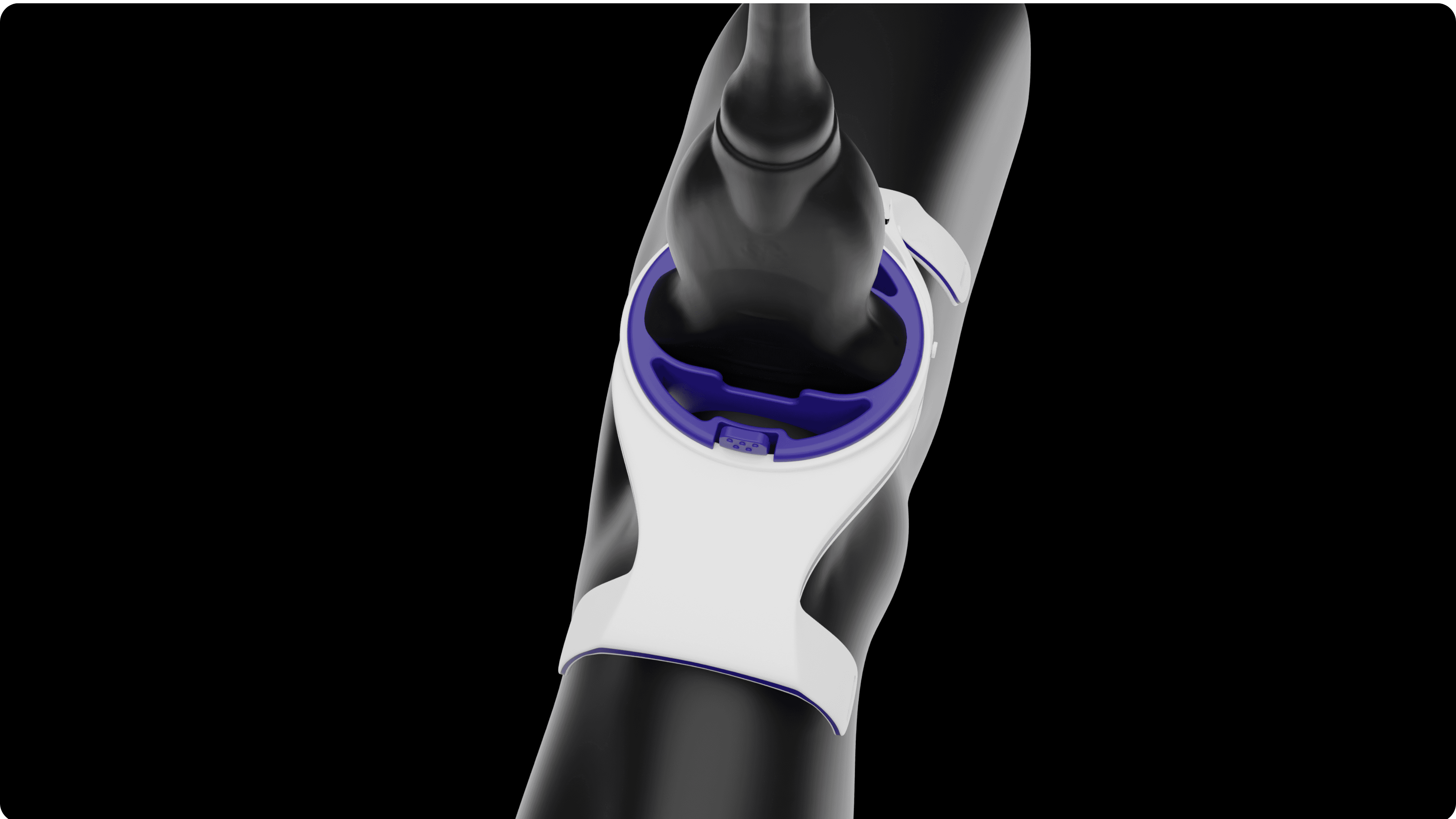
We developed Patella Pro with adjustable hinge, a wearable solution designed specifically for patella-related injuries with silicone inner piece. This device stabilizes ultrasound probe placement while allowing natural movement, enabling consistent imaging in dynamic condition.
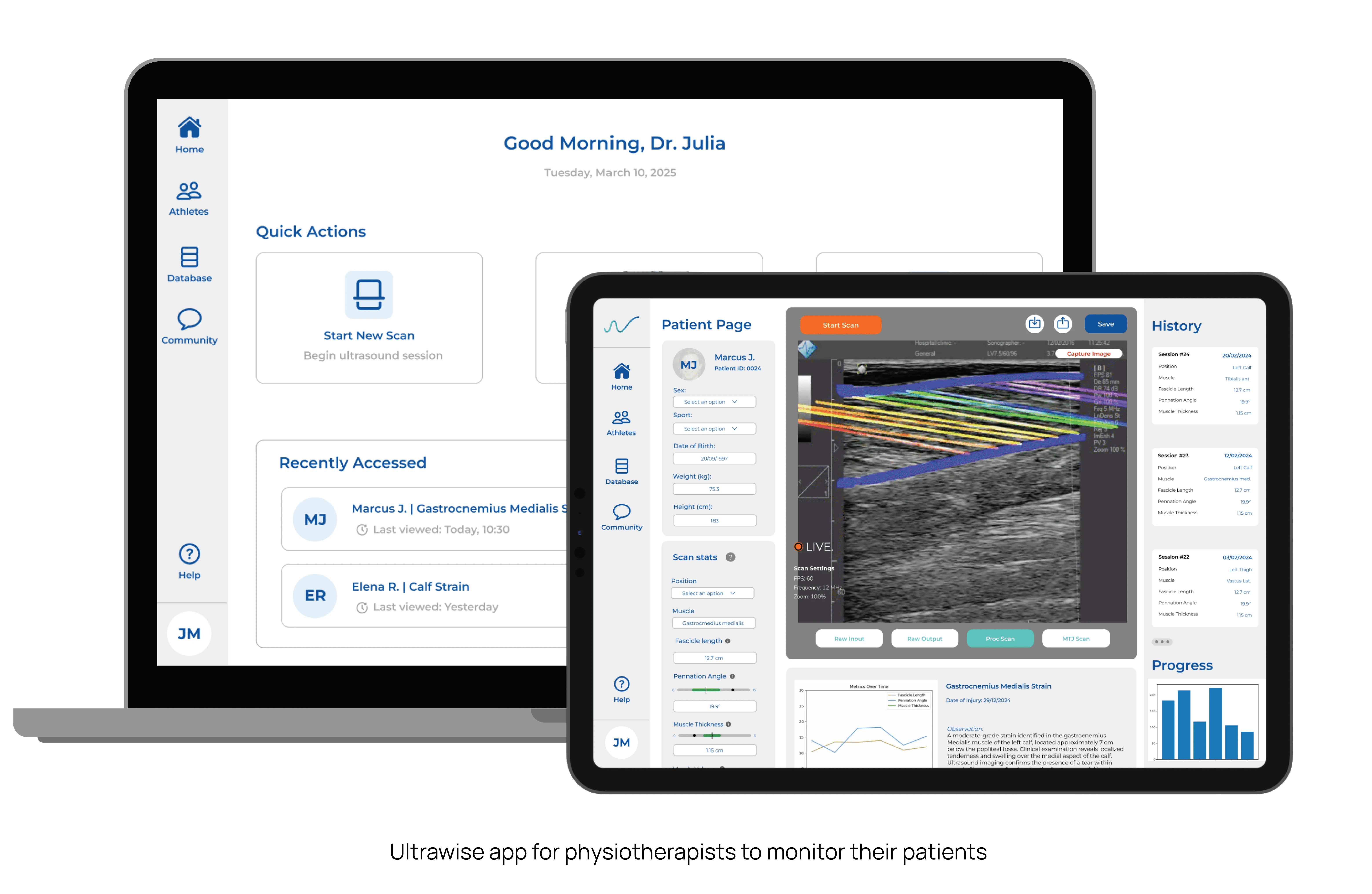
Complementing this, UltraWise, a machine-learning-driven dashboard that translates ultrasound data into meaningful metrics and clear visual insights to support physiotherapists in understanding injury behavior and guiding treatment decisions.
Design Process
The process began by evaluating the previous year's machine learning foundation, the "FluidModel" which focused on muscle fatigue. However we shifted strategy towards identifying relevant muscle health markers e.g. fascicle length, pennation angle, etc that physiotherapists actually use for injury recovery and training optimization.
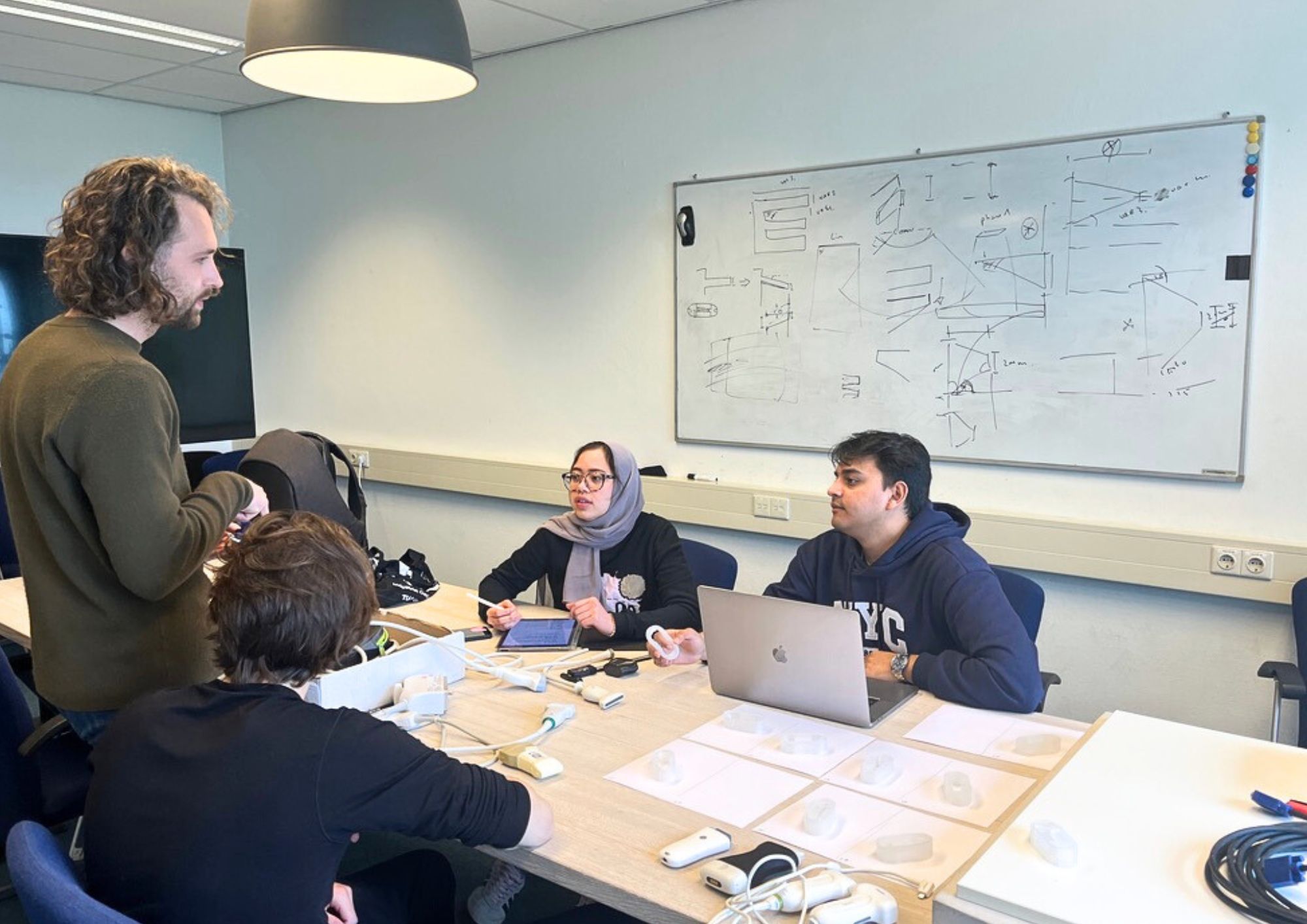
The team researched over 10 open-source machine learning models to accurately measure and annotate muscle health markers in real-time ultrasound video.
To validate the final architecture, we applied Tamara Munzner’s Nested Model. This allowed the team to align four critical levels:
Domain Situation: Understanding practitioner and patient needs.
Data Abstraction: Dealing with ordered quantitative sequential data.
Visual Encoding: Implementing interactive line and bar graphs that show trends over time (averaged per 30 frames).
Algorithm: Ensuring the combination of ML models accurately produced the target metrics

Final deliverables
The final deliverable was presented in the University wide “demo day” where entrepreneurs, stakeholders, clinicians and others were present.
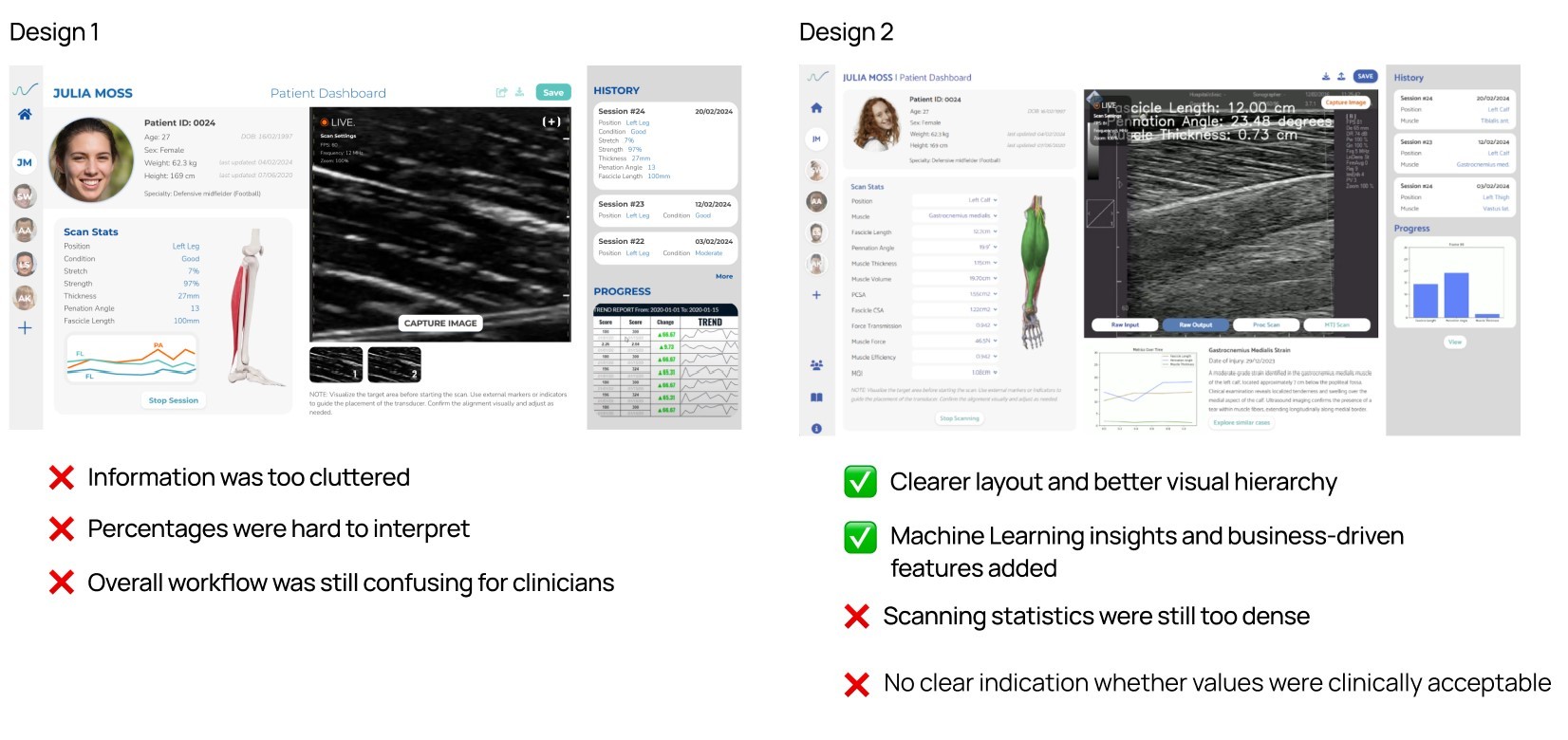
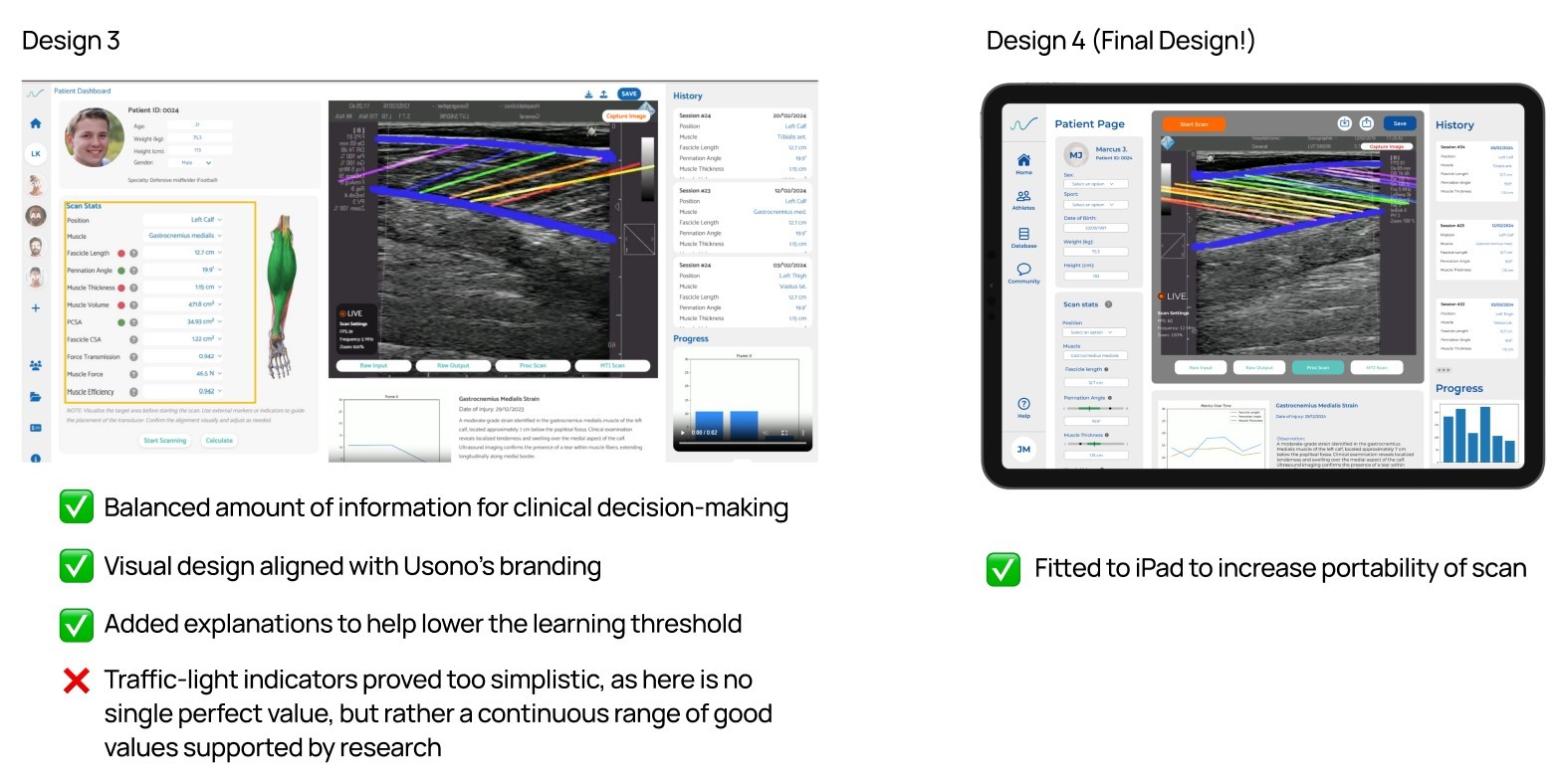
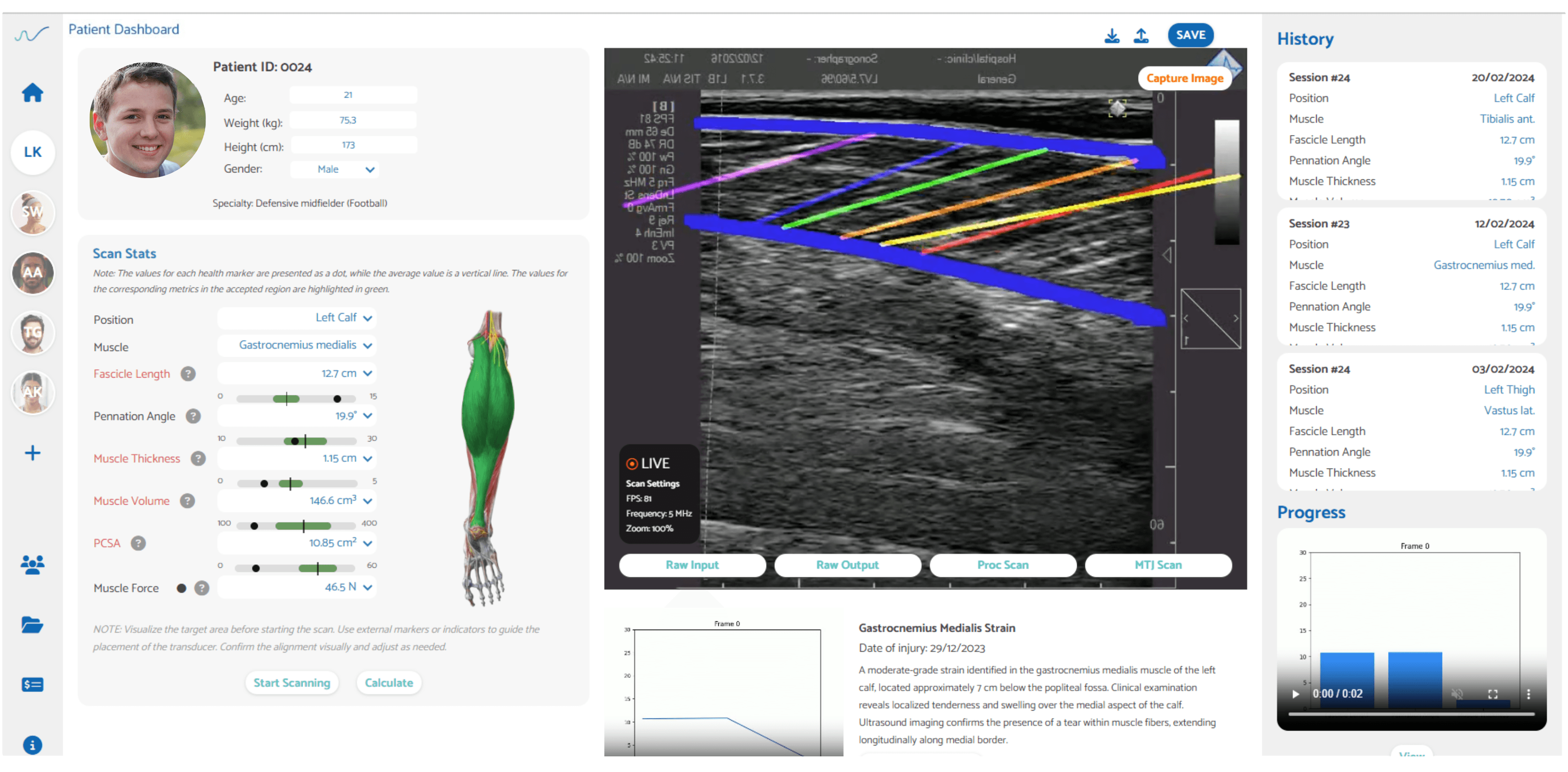
The final deliverable for the Ultrawise software is a comprehensive, medical-grade diagnostic dashboard designed to bridge the gap between complex ultrasound data and actionable clinical insights. Developed as a companion to Usono’s hardware, it provides physiotherapists and athletes with a structured interface to track injury recovery and training optimization.
The deliverable consists of the following core components:
Scanning Page: Features live ultrasound video input alongside multiple processed outputs (raw, annotated, and metrics-based).
Range-Based Visualization: Moving away from a simple binary "traffic light" system, the final version utilizes range-based scales. These display a patient's values as a dot on a spectrum relative to "healthy" literature-based thresholds and mean values.
Information Layering: To manage cognitive load, the UI includes hover-over tooltips that provide instant definitions and significance for complex markers like PCSA.
Intentional Interaction: A dedicated "Calculate" button was implemented to ensure users intentionally refresh data, preventing accidental changes during live scans.

Reflection
Designing for healthcare requires balancing precision and usability, as small design decisions can impact clinical reliability and not just the user experience
Multidisciplinary collaboration with engineers, data scientists and the business teams taught me how to align different perspectives into one coherent solution
I learned the importance of designing backwards from the user in complex domains like healthcare to make sure the solution remains relevant to the final user
Other projects

In-store Mockup Validator
Helping FMCG companies validate their products in supermarket through expressive, data-driven IoT product mockups.

e-Garden
An IoT connected gardening system for local community centers.
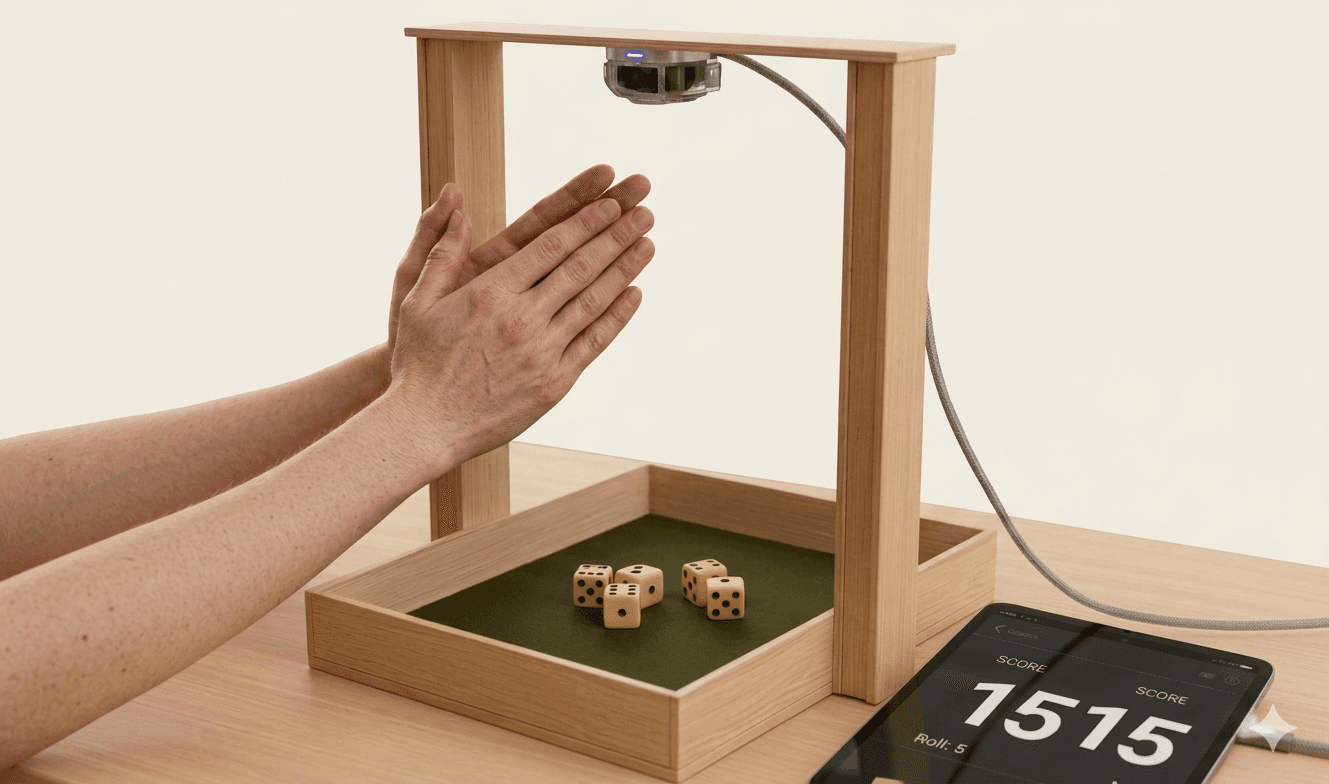
AI for Inclusivity
Designing AI-powered tools that support visually impaired users in cooking and play.

My First² Aid Kit
Redesigning a medical storage bins into an educational first aid kit guide for kids.

Visual Experience Design 🔒
Internship project in Panasonic Manufacturing Indonesia to develop for Consumer Electronics for the Asian market & special projects.
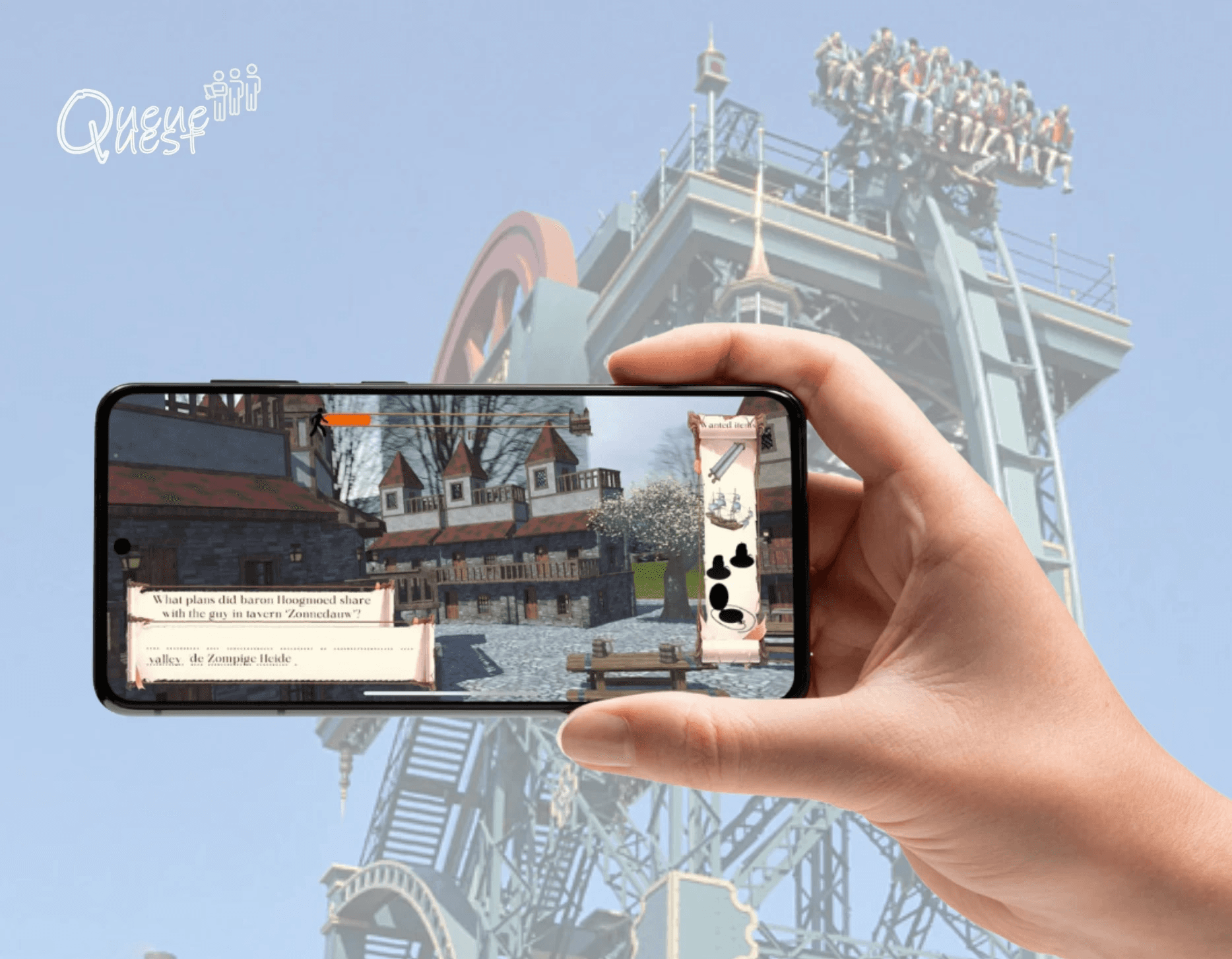
Queue Quest
Augmented Reality games to increase immersiveness and decrease perceived waiting time in theme park queues.
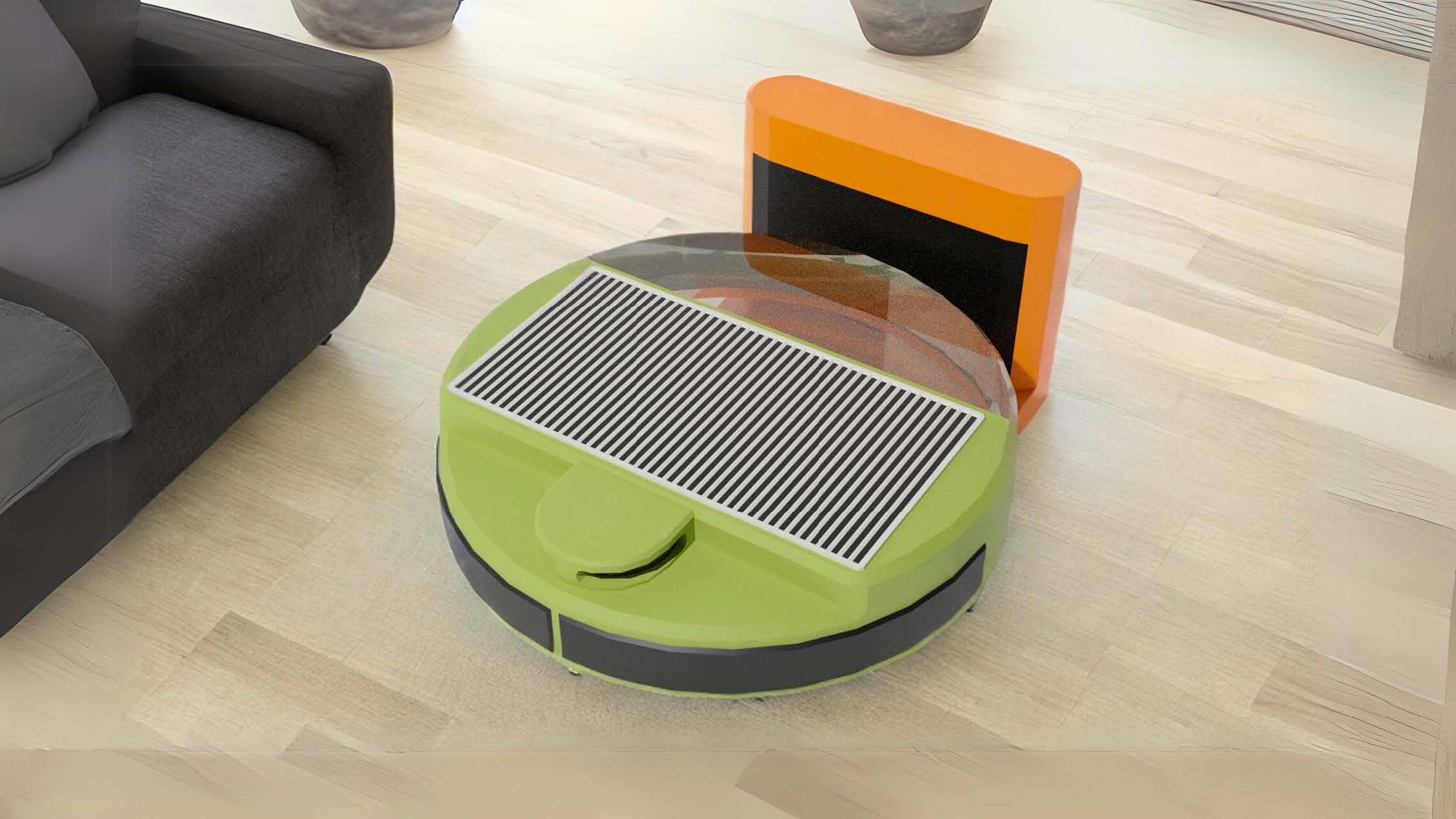
Side Projects
Some other projects that is also worth to show.